Blog
Music for my Mind and their crowdfunding campaign story
Can you tell us a bit about Music for my Mind?
There are 50 million people living with dementia worldwide, 850,000 in the UK alone. Music for my Mind is a charity seeking to provide evidence that personalised music enhances the quality of life and well-being of people living with dementia, and helps them reconnect with their loved ones. The charity is working towards clinical trials that show the efficacy and cost-effectiveness of this approach, the kind of evidence required to establish music as best practice for the many people living with dementia across the UK and internationally.
How did the idea come about?
The charity’s founder, Professor Keith McAdam, witnessed first-hand the effect that music and creativity can have on well-being and quality of life among people living with HIV at the Infectious Diseases Institute in Uganda, where he was the founding director. He looked for a way to intervene creatively within the UK health system. His background in clinical medicine and research helped him envision a step-by-step process to achieve the goal, working with cross-disciplinary collaborators and a Board of Trustees offering expertise from many industries.
What has your research discovered so far?
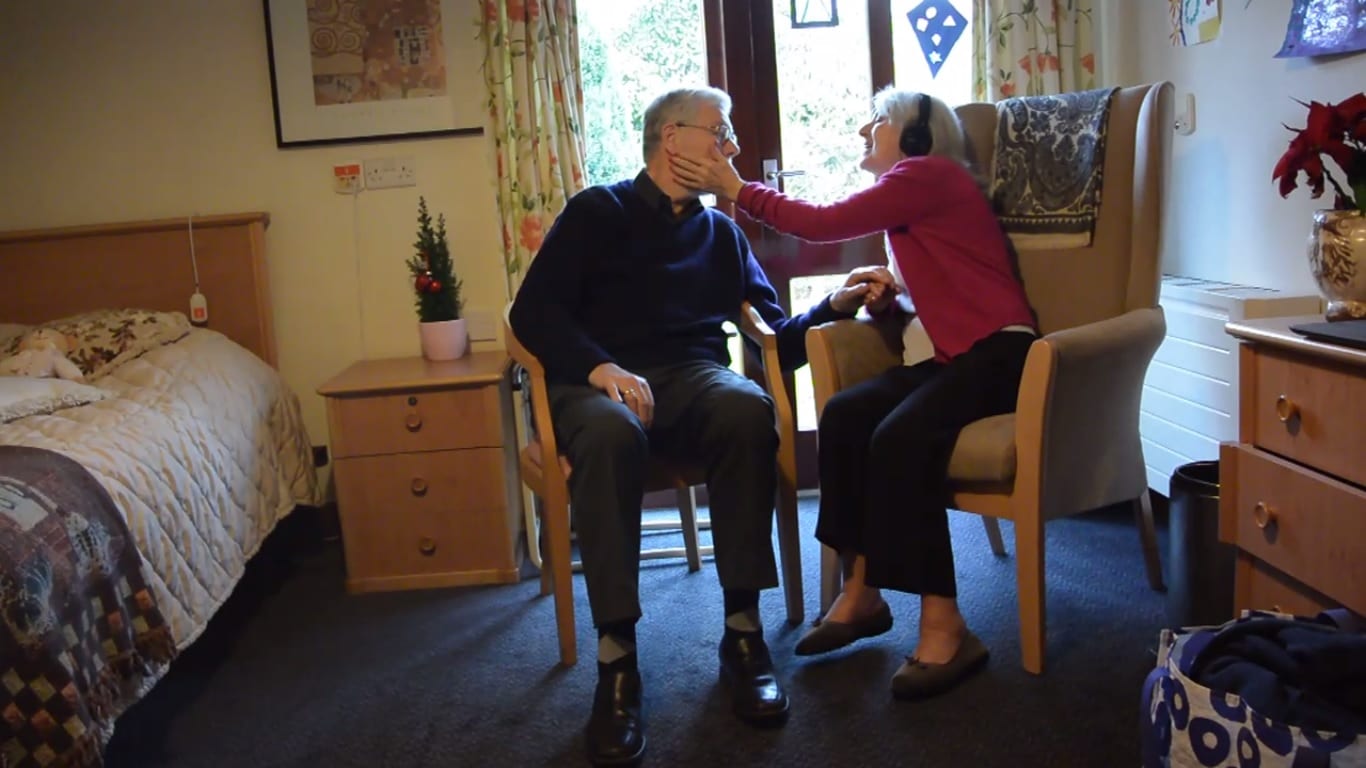
In a pilot study using Spotify, and based on date of birth and music tastes in youth, a personal playlist was created for volunteers and residents in care homes living at different stages of the dementia spectrum. Everyone’s playlist was unique and personalised, as were their reactions and emotions. It touched not only those living with dementia, but their families and carers too.
What are the future plans?
The charity is working towards clinical trials to prove the efficacy and cost-effectiveness of music as a means of improving quality of life. This starts with pilot studies to answer questions such as: Is there an optimal dose of music an individual needs to improve mood? Is there a particular time of day when music listening has a better effect? Does a specific type of music help in certain moods, for example calming music when people are agitated? Will the same music have similar effects on successive occasions? To gather enough data, they need an efficient way to build personal playlists and an easy-to-use system for delivering music in care homes, working with Spotify and testing devices that can measure emotional responses. They also plan to work with Playlist for Life on their shared goal.
Tell us about your crowdfunding campaign.
Music for my Mind started a crowdfunding campaign through Hubbub, not only to gather funds but to raise awareness of the positive effects music has on people living with dementia and their carers. Dementia is relevant to everyone, so they are aiming to create a “tsunami-like effect” by engaging all of their networks. Their goal is to raise £100,000, which will fund their work throughout the year, starting to work with a small number of care homes to provide a personal playlist to every resident living with dementia, along with the equipment to play it.
How can people support the project?
Everyone can help spread the word within their networks. You can become an Ambassador for music and dementia and help share the message, or support the campaign with a donation. For more information visit musicformymind.com.